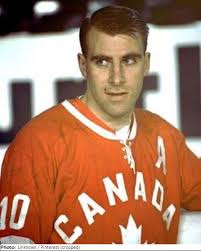
The story of Hick Abbott, a true Canadian hero . . .

FlandersFields

Every year, for Remembrance Day, I post the story of Lyman (Hick) Abbott. From Regina, he was a wonderful athlete, a sportsman and a real Canadian hero.

I wrote this story while at the Regina Leader-Post, and it really is a favourite.
poppy

It all came about because of J. Lyman Potts, a gentleman who was named after Abbott. J. Lyman’s father, Joe, was something of a mentor to Hick. J. Lyman, who died on Dec. 9, 2018, was a legend in the Canadian broadcasting and music industries. He would have turned 106 on Nov. 11, so this always was a special week for him, too.

It was J. Lyman who acted when he realized in the mid-1990s that the Abbott Cup — originally funded by Potts’ father and named after Abbott — no longer was being given the respect it deserved. He wrote to old friend Tom Melville, a former Regina Leader-Post sports editor, and the two of them mounted a lengthy campaign that resulted in the Abbott Cup being retired to the Hockey Hall of Fame in Toronto.

Potts contacted me, one thing led to another and I ended up writing this story. Originally, I had a few pictures to include with the post. Then, two years ago, I received a handful of additional photos from Mark Abbott, a member of the Abbott family who has been in contact with me from his home in Guelph, Ont., and was able to include some of them.

Here, then, is the story of Lyman (Hick) Abbott . . .


Edward Lyman Abbott was, they all agreed, one of a kind.

He was a superb athlete and, just as important, he was a true sportsman. Everyone in southern Saskatchewan knew Abbott as Hick, which was shortened from Hickory, and he was loved by young and old alike.

Hick1
LYMAN (HICK) ABBOTT

In the early part of the 20th century, Hick Abbott was the best athlete in Regina and maybe all of Western Canada. To this day, it may be Abbott who is the best athlete Regina has seen.

According to the Regina Leader:

“Previous to going to the war Abbott was one of the greatest hockey players that this Dominion every saw. He also was a stellar lacrosse, rugby and soccer player. He piloted Regina to a western championship in rugby in 1915 and what he did to bring the Allan Cup to Regina any of the old-time fans know.”

As we pause at the 11th hour of the 11th day of the 11th month, his story is but one of many worth remembering. This, then, is that story. Or, at least part of it.

————

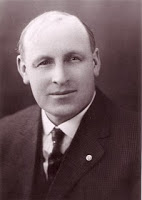
The gentlemen of Regina’s sporting scene would gather at Joe Potts’ Rose Athletic Parlours on the east side of the 1700 block Rose Street. They would go there for a shave, maybe a trim and, most definitely, to talk about how their sporting world turned.

The Rose Athletic Parlours — the name was in honour of a Potts penpal, Philadelphia Athletics manager Connie Mack — was a seven-chair operation, with each barber having his own washbasin and mirror. There were two other huge mirrors — floor to ceiling — and a circular leather seat that surrounded a pole on which was beautiful leather backing. A long glass counter was home to a gold-coloured cash register and boxes of chocolate bars. Mahogany-veered cabinets behind the counter were full of tobacco products.
JoePotts
JOE POTTS

And there were photographs — they didn’t call them pictures then — everywhere. Photographs of prominent athletes. Many of them autographed.

The billiard room was separate and featured Boston tables, although there was one billiard table. Each table had its own mahogany cabinet in which players hung their hats and coats.

This is where doctors, dentists, lawyers and businessmen came. This is where they talked about the exploits of their favourite son.
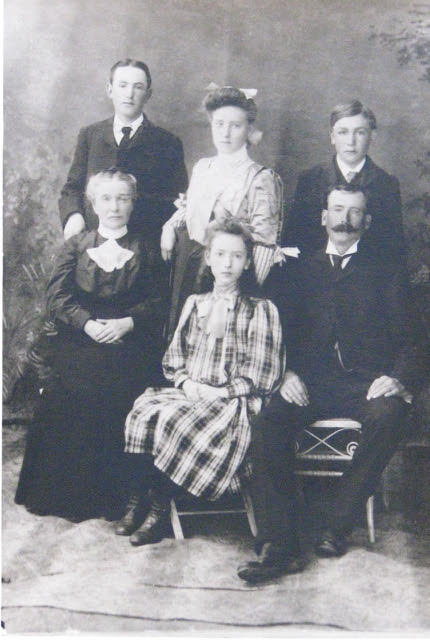
Hick2
The Abbott family circa 1906 — Back row, left to right, Simon (brother), Rosa (sister) and Lyman (Hick). Front row, Mary Ann (mother), Rebena (sister) and James (father).

Hick Abbott played football (rugby football, it was frequently called then), hockey, baseball, lacrosse, soccer, basketball. He excelled at them all. He played in high school. He played for club teams. He played on playgrounds or in a gymnasium. It didn’t matter. He just wanted to play. He had to play.Hick Abbott was of fair complexion. He had gray eyes that, in a blink, would steal a young girl’s heart. And that hair. Oh, that light brown hair that always had that naturally tousled look. Born in Orillia, Ont., in the Hovering parish, on May 1, 1891, Abbott, who was of the Methodist faith, moved to Regina for some reason long since lost. His father, James Henry Abbott, lived his last days in Toronto. In a file folder full of documents, notes, papers and photographs, there isn’t a mention of a mother. Perhaps Hick Abbott’s mother died and he moved to Regina to live with his sister, Rebena Myrtle, who was a provincial government employee. A brother, Samuel Percival Abbott, lived near White Bear, Sask.

But hockey was his game. He was a right winger who played for as many teams as he could.

He played for the Regina Bees Capital Hockey Club, which won the Valkenburg Cup as the province’s 1911-12 amateur champions.
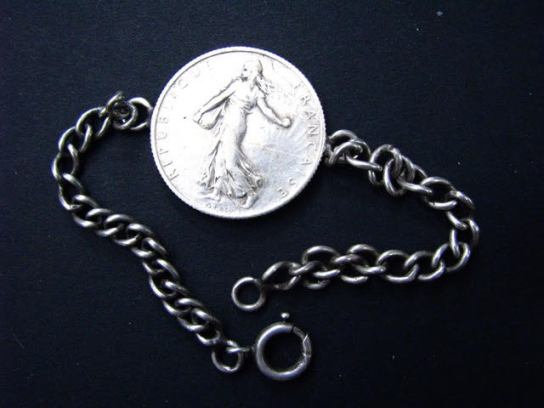
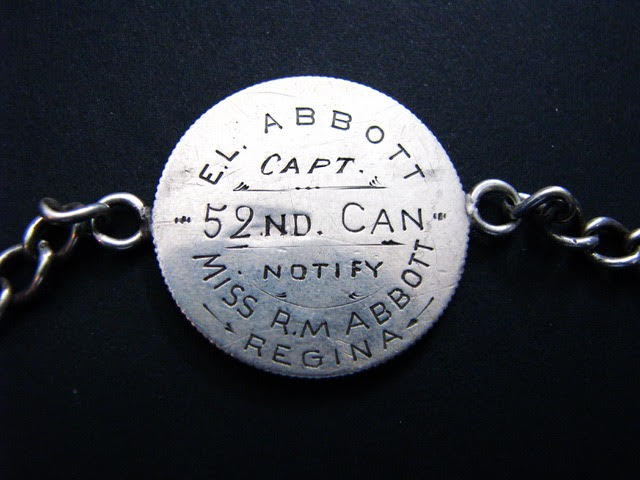
Hick3
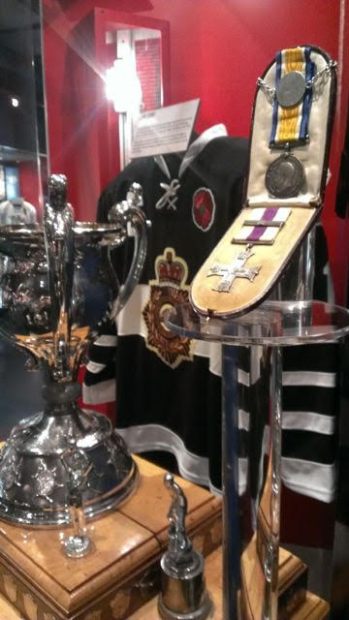
This a bracelet that ended up with Rebena at some point after Hick’s death. It is believed that he had it made out of a French coin while in France not long before he was killed. He recently had been promoted to Captain, and likely was wearing it when he was shot. The bracelet joined the medals that were secured with Dave Thomson’s help in 2014, just in time for it all to go on display with the Abbott Cup at the Hockey Hall of Fame as part of their First World War-themed display.
Hick4

But how was he to know that the highlight of his athletic career would come in the spring of 1914 when he helped the Regina Victorias to the 1914 Allan Cup title? The team photo refers to the Vics as World’s Amateur Champions 1914. There’s Abbott — bottom row, third from the right, next to Joe Potts, the Vics’ manager. The newspaper refers to Abbott as “the speedy and consistent right wing who is the sharpshooter of the team.”

But there was trouble in Europe where, before long, the First World War would be raging. Soon, newspapers were full of casualty reports. Regina’s sons were dying over there.
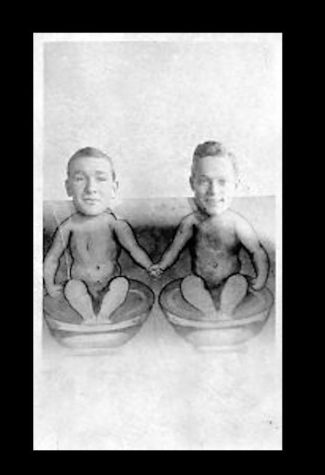
Hick5
A novelty photo from early in the 20th century that shows Hick and Joe Potts as infants, sitting in washtubs and holding hands.

Naturally, Abbott heard the call, as did many of his teammates from that 1913-14 team, including goaltender Fred McCulloch, defencemen Charlie Otton and Austin Creswell, who was the team captain, and rover Freddy Wilson.

Abbott took officer training in Winnipeg, qualifying for the rank of lieutenant. He returned to Regina and enlisted with the 68th Battalion.

On the day Abbott enlisted — Sept. 23, 1915 — he was a 24-year-old student at law who lived in Regina at 2254 Rose St.

Seven months later, on April 28, he was on the S.S. Olympic as it sailed from Halifax. Abbott headed overseas as a platoon commander and officer in charge of records.

Abbott was a true warrior. Whether it was on the field of play or on the field of war, there wasn’t any quit in this man.

Upon his arrival in England, he quickly transferred to the 52nd Canadian Infantry Battalion, a trench unit. In the ensuing 26 months, shrapnel was the only thing that kept him from the front.

He was first injured on Oct. 7, 1916, while in action near Courcelette, about 30 miles northeast of Amiens, in what came to be known as the Battles of the Somme.

Four days later, Abbott was admitted to No. 14 General Hospital at Boulogne with a wound to his left shoulder. Two days later, he was in England, safely ensconced in a war hospital in Reading, a few miles west of London.

A doctor noted a “shrapnel bullet localized near wound.” That shrapnel was removed on Oct. 24; he was discharged from hospital on Nov. 13.

Abbott rushed back to the front and stayed until June 3, 1917, when he was granted 10 days leave, which he spent in Paris.
Hick18
The medals and bracelet are shown while on display in the case next to the Abbott Cup at the Hockey Hall of Fame. They were there as part of a six-month exhibit.

On July 26, 1917, following the Battle of Vimy Ridge, Abbott was awarded the Military Cross “for conspicuous gallantry and devotion to duty. He handled his men in the most able manner, and successfully led them through an intense hostile barrage. He set a fine example of courage and initiative.”

Three months later, on Oct. 27, he was awarded a Bar to his Military Cross.

The Bar, according to a letter Potts received from Abbott in early November, was “just for a little trench raiding affair.”

Abbott also mentioned that he now was wearing “a pair of plate glass spectacles on account of recent injuries to my eyes.”

The glasses were the result of his being wounded for a second time. He took a bullet — or a piece of shrapnel — in the right temple on Sept. 4, 1917, while raiding enemy trenches near Leuze, just over the border from France in the southwest part of Belgium.

A medical report indicates this was a “Severe G.S.W. (gunshot wound) near right eye.” Before he reached the hospital in Boulogne, the shrapnel//bullet was “removed with giant and small magnet.”

The Sept. 11 edition of The Leader reported, under the headline Popular Regina Young Man Is Among Wounded:

“As the casualty lists come in, more and more Regina soldiers are listed either as killed, wounded or gassed. In the list of yesterday appears the name of one of the best known and popular young men of the city, Lieut. Edward Lyman Abbott, as being wounded. This is the second time within 10 months that ‘Hick’ . . . has suffered injuries on the battlefield.”

The story continued:

“. . . he has written to friends in the city and appeared to be carrying on without much worry. Abbott was one of the finest athletes and best sportsmen in the city, standing at the head in every branch of sport he entered. He was particularly noted for his prowess at hockey, and football, two games in which he had no superior in the west.”

By Sept. 15, he had been “invalided, wounded and detached” to the Manitoba Regimental Depot and was being cared for in the 3rd London General Hospital in Wandsworth.

A doctor’s report noted: “Recommended for convalesence . . . to report back in three weeks.” Abbott was discharged on Sept. 24, 1917, and spent the next month at St. Mark’s College, leaving there on Oct. 25, 1917.

The next entry in his medical record is dated Sept. 14, 1918. It is short and to the point: K. in A.

Killed in Action.

It was, in the words of General Erich Ludendorff, the “black day of the German army.”

It was Aug. 8, 1918. It was the day on which the Battle of Amiens began. It was the battle in which Hick Abbott died.

After recovering from his head wound, Abbott returned to France on Dec. 24, 1917. A week later, he was back with his unit.

With Capt. G.M. Thomson heading for England, application was made for Abbott to be an acting captain with the 52nd Battalion. That was approved on March 16, 1918.

Abbott, then, was a captain when the Battle of Amiens, one of the war’s most decisive battles, began. The German’s spring offensive had been stopped only eight miles from Amiens. Now it was time to push them back. Later, after the Armistice had been signed on Nov. 11, 1918, it was generally acknowledged that this was where the tide had turned. In two weeks, 46 German divisions were defeated — 34,250 prisoners and 270 heavy guns were captured.

“It was,” said Ludenhoff, “the black day of the German army in the war . . . To continue would be a gamble. The war would have to be ended.”

On Aug. 14, with the battle almost won, Abbott — always the leader — was first out of a trench as he led a charge towards the enemy.

According to Earl Longworthy, an acquaintance of Abbott’s, he was killed by a sniper’s bullet to the head.

Longworthy was with Abbott’s battalion the day after his death and reported the platoon “worshipped the ground Abbott walked on and were in sorrowful spirits because of his death.”

A testimonial, author unknown, reads in part:

“Abbott was the type of Canadian, and the type of Britisher, that the Germans cannot understand; the type that fights with a silent fury and yet that does not hate; too much of a sportsman to fight unfairly, but more dangerous in attack than their finest products of hate-inspiration because of utter recklessness combined with a deadly skill and total inability to recognize defeat.”

By the time of his death on Aug. 14, 1918, Abbott’s father also was dead. Hick’s medals went to his sister, Rebena, who was living in Regina at 2072 Angus St. A plaque and scroll went to his brother, Samuel, at White Bear.

Abbott’s will, dated July 1, 1916, indicated that there may have been another woman — besides his sister — in his life.

His will appointed his sister and R.D. MacMurchy, a Regina barrister, as executors. It read in part:

“I give and bequeath unto my sister Rebena Myrtle Abbott all property, real and personal in my possession or due me at the time of my decease and in the advent of her prior decease all said property, real and personal to Miss Edith May Longworthy, 2035 Hamilton St., Regina, Canada.”

Word of Abbott’s death was reported in The Leader of Aug. 22, 1918:

“The death of the popular young Regina officer came as a great shock to his many friends in the city and to the hundreds who knew him through the province particularly as one of the finest athletes who ever appeared before the public in the province.”

Joe Potts was devastated by the news and wrote an appreciation that appeared in The Leader:

“The world of sport of Regina, and for that matter the entire province of Saskatchewan, is the poorer today by the loss of Hick Abbott.

“As long as Regina is, the name of Abbott will live. To the present generation his name stands supreme as a monument to the best that was in sport. To the future generation he has left an ideal for them to attain.

“The citizens of Saskatchewan have lost one of nature’s gentlemen, one who held dear the traditions of his land and one who ever had at heart one thing — the interest of his fellows.

“A hero among his fellows he was equally loved by the boys. No business was ever too pressing to prevent him claiming their comradeship. To the younger lads of Regina his life and glorious death will be an inspiration.

“In expressing these thoughts I am but giving voice to those of everyone in the city who knew him. As one who knew him intimately from the time he grew out of boyhood the loss is personally great.”

Potts had named his first-born son after Abbott — J. Lyman Potts was born on Nov. 11, 1916 — and would make certain that Hick wouldn’t be forgotten.
Abbott_cup
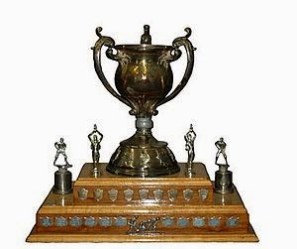
The Abbott Cup

Late in 1918, Joe Potts started a fund-raising drive, the result of which would be the Abbott Memorial Cup, which for years would go annually to the champion of western Canadian junior hockey.

When the subscription drive started, the first name on the list was Lyman Potts ($10). The second name was that of Lieut. Austin Creswell, the captain of the 1914 Victorias.

E.A. Jolly, a prominent Regina druggist, sent in $5, along with a note:

“Captain Abbott was one of the highest types of Canadian citizens and his record on the ice and subsequently on the battlefield proved him a man of whom all of us should be proud. I remember the great games with Melville when Abbott worked so valiantly and well for victory, and I also remember what a great power Abbott was to the Victoria team when they won the Allan Cup on that great night in Winnipeg nearly five years ago.”

Dick Irvin, who would later prove to be one of the NHL’s great coaches, wrote from Belgium where he was a private “doing despatch work on a motorcycle . . . and seeing the sights of France and Belgium over the handle bars.”

Irvin was a 21-year-old centre on the Winnipeg Monarchs team that lost the 1914 Allan Cup final to the Vics.

Hick20
Lyman (Hick) Abbott’s headstone has his age wrong — it shows him as being 25 when he died; he was 27. The family later paid to have a few words added to the bottom of the headstone. It reads: “Hickory . . . a true & gallant gentleman…his life still shall speak.”

“I am interested in what you say about the proposed Abbott Cup and you can put (me) down for a five spot,” Irvin wrote. “I think the idea splendid for junior hockey in the west and, as far as the memorial is concerned, you couldn’t have picked on a better name as Abbott was a . . . man all through.”

Hector Lang, the principal of Regina’s Central Collegiate during Abbott’s high school years who later moved to Medicine Hat and would be the Alberta trustee for the Abbott Cup, wrote that Abbott “at his studies, in his games, and on the field of battle, displayed always in the highest degree the character of the true sportsman. I remember, too, the other boys who studied and played with him — all good boys and true sports, and all of them better because of the influence of the big-hearted and fair-minded Hick Abbott.”

Sid Smith wrote from Gull Lake, Sask., expressing the hope that “this trophy will not be handled in such a way that it will fall into disregard, be forgotten as is often the case with such.”

Almost 80 years later, the Abbott Memorial Cup no longer could be considered a prominent trophy. Where it once went to the winner of a best-of-seven series, in its last years it was presented to the winner of one round-robin game between two western representatives during what was then the Royal Bank Cup — aka the national junior A championship.

“I know absolutely nothing about the Abbott Cup,” admitted one member of the Melfort Mustangs, Abbott Cup winners for 1996.

“It’s just an appetizer (for the Royal Bank Cup),” added another player.

It seems, alas, that Sid Smith’s worst fears were recognized.

——

Hick23

Hick Abbott, who left Regina to fight for his country’s freedom, never returned to his adopted home town.

He is buried in Roye New British Cemetery, a few miles north of Paris.

Plot 1, Row B, Grave 13.

——

Hick Abbott was inducted into the Saskatchewan Sports Hall of Fame in 2014.

Wall of Honour inductee retires after lengthy scouting career

Glen Sanders spent 40 years in the scouting business — 20 in the WHL split between the Prince Albert Raiders and Kamloops Blazers — and 20 with the NHL’s Nashville Predators. But his run came to end when he retired following the NHL’s 2024 draft last month in Las Vegas. . . . “It’s been great and I’ve enjoyed every minute of it,” Sanders told Zach Gilchriest, the Predators’ digital media and content producer. “I could probably do a couple more years, but I just think it’s time. . . . It’s been fun and I feel like I’ll always be a part of the Predators.” . . . If you have ever wondered what the scouting life is like, well, here’s more from Sanders: “People think that you just go to watch hockey games, like ‘How hard could scouting be?’ They don’t know that you’re driving at two o’clock in the morning in the middle of Saskatchewan at 50-below zero, trying to get to your hotel or trying to get to the next town. You’re booking flights, booking hotels, doing your expenses — and it all takes time. It’s a busy year and a busy life for the scouts. They’re on the go all the time. And you’re talking to agents, you’re talking to general managers and you’re constantly doing research on these kids. It takes a lot of your time.” . . . Gilchriest’s story is terrific — especially the part about Sanders’ telephone introduction to David Poile, then the Predators’ general manager — and it’s all right here. . . . Sanders is one of the 45 scouts who will be inducted into the Western Canada Professional Hockey Scouts Foundation’s Wall of Honour in Okotoks, on July 30. If you’re wanting to attend the dinner, tickets are available on the Foundation website (hockeyscoutsfoundation.com), but don’t leave it too long because they are moving quickly. . . . Congrats to Glen on his retirement and here’s to a whole lot of happy times with family and at the lake.

Monday’s With Murray: Wonderful Willie

Willie Howard Mays Jr. (May 6, 1931 – June 18, 2024)

WEDNESDAY, MAY 23, 1962, SPORTS

Copyright 1962/THE TIMES MIRROR COMPANY


JIM MURRAY

Wonderful Willie

The first thing to establish about Willie Mays is that there really is one.

He’s 5 feet 10, weighs 183, has five fingers on each hand, five toes on each foot, two eyes, all his teeth and a nice smile. He’s quite mortal. He makes $90,000 a year but gets to keep only enough to pay off the alimony and the rent on time and is made up like the rest of us of about 87 cents’ worth of iron, calcium, antimony and whatever baser metal a human being is composed of. Only in his case, it’s put together a little better than in the rest of us.

All this is important to know in talking to baseball people because when you mention Willie Mays, several things happen: A film comes over their eyes, their cheeks flush and flecks of foam appear at the corners of their mouths. Listening to them, you half expect to see the Angel Gabriel running around with No. 24 on his back. At the very least, you think they are describing one of their own hallucinations — a combination of Babe Ruth, Ty Cobb and Elmer the Great, a comic strip character 28 feet tall pasted together out of old clippings of The Sporting News or conjured out of a pot of reheated Welsh rarebit.

Willie Mays is so good the other players don’t even resent him. They have his name in standing type in Cooperstown’s Hall of Fame ever since he was a rookie. Leo Durocher started to drool the first time he saw Willie Mays, and he hasn’t stopped since. “If he could cook, I’d marry him,” Leo once announced.

The only thing he can’t do on a baseball field is fix the plumbing. As a batter, Bill Rigney once said, his only weakness was a wild pitch. But he hit one of those in spring practice for a clean single from a semi-prone position. As long as gravity is working they boo him in San Francisco. This makes strong men cover their ears because around the rest of the league they figure anyone who would boo Willie Mays would kick in a stained-glass window.

Part of the trouble is when the Giants transferred to San Francisco, the press there and in New York gave the impression that Willie Mays and the Seven Dwarfs were coming to the Coast with Horace Stoneham and two lame-armed pitchers. They didn’t expect Willie Mays to land there; they expected the waters of the Golden Gate to part and let him walk ashore. Or, if he flew, they didn’t think he would need an airplane. The first time he struck out, there was a gasp as if someone had just let the air out of the town.

It was said his life used to be 95 percent baseball and 5 percent cowboy movies. Then he got married, and the ratio went down. His life became only 93 percent baseball.

He can do one more thing than any other great slugger in the history of the game — steal bases. He is the only man in history to hit more than 30 home runs and steal more than 30 bases a season — and he does it habitually.

He has been shy most of his life. He needs constant reassurance. The product of a broken home in Alabama, raised by an aunt, he never takes anything for granted. He doesn’t drink or smoke and scandal has never touched his life.

Off field, he is a pleasant, rather lonely young man. He had his 31st birthday dinner alone in a St. Louis hotel room with a newspaperman, Harry Jupiter of the San Francisco Examiner. In spring training, he was a frequent dinner guest of a busboy. So far as is known he has never done an unkind thing in his career — except hit four home runs in one day off Milwaukee pitchers. That’s as many as anyone ever hit in one nine-inning stretch.

He is modest. When he was with Minneapolis in 1951 and a Giants official got on the phone to send for him after the Giants had just lost 11 games in a row, Willie demurred. “I’m not ready yet. I’m not coming,” he protested. There was a thud on the other end of the line as the man fainted.

The Giants won the pennant that year, but Willie went hitless his first 22 times at bat. Manager Leo Durocher came upon him in the clubhouse. Tears were streaming down Willie’s cheeks. “I can’t help it. I can’t hit them cats, Mistah Leo,” he sobbed. Leo put his arm around him. “I brought you up here to play center field. You are the greatest center fielder I have ever seen, probably that the game has ever seen. Get out there and play it!”

Willie Mays did. The first pitch the next day — off Warren Spahn — he put over the roof. He’s been doing it ever since. “I think I’ll steal less from now on,” he told me Tuesday night, “because I hope I can play for 10 years more,” I got news for him: Baseball hopes so, too.

——

Jim Murray Memorial Foundation | 25 Main St, Cooperstown, NY 13326

Meet three more Wall of Honour inductees . . . Dinner tickets now available

The non-profit Western Canada Professional Hockey Scouts Foundation’s inaugural Wall of Honour inductee dinner is almost upon us. It’s all set for the Centennial Arena in Okotoks, Alta., on Tuesday, July 30. . . . Tickets are available at hockeyscoutsfoundation.com. There also is information there about the evening’s entertainment. The theme is Tales from the Road and, based on that, there will be a couple of Hot Stove sessions featuring the likes of John Davidson, Ken Holland and Dr. Hayley Wickenheiser. . . . Of course, the spotlight will be on the 45 past and present-day scouts who will be inducted into the Wall of Honour. . . . Here’s a look at three more of them. . . . For a look at all of the bios, visit the Foundation website and click on Wall of Honour.

————

GERRY O’FLAHERTY

(Aug. 31, 1950 —)

He was born in Pittsburgh, where his father, John (Peanuts) O’Flaherty, was playing for the AHL’s Pittsburgh Hornets. . . . Gerry grew up in Etobicoke, Ont., and was inducted into that community’s hall of fame in 2013. . . . Played 438 regular-season NHL games with the Toronto Maple Leafs (2), Vancouver Canucks (435) and Atlanta Flames (1). . . . Scored 25 goals for the Canucks in 1974-75, at the time a single-season NHL record for an American-born player. . . . Played for the U.S. in the 1976 Canada Cup. . . . Began scouting career in 1979 with the Montreal Canadiens. . . . Moved to the Tampa Bay Lightning as pro scout in 2003-04. . . . Has been part of five Stanley Cup championships — Montreal, 1986, 1993; Tampa Bay, 2004, 2020, 2021. . . . His father and two of his brothers, John Jr. and Bill, also were NHL scouts.

KEVIN PRENDERGAST

(March 27, 1951 —)

A native of Verdun, Que., he spent more than 30 years in the scouting business, including seven seasons (1983-90) as NHL Central Scouting’s assistant director of scouting. . . . He went from there to the Edmonton Oilers, where he filled various roles — head scout, vice-president of hockey operations, director of player personnel, assistant general manager — through May 2010. . . . Took over as Hockey Canada’s head scout in 2010 and stayed through 2012-13, working with the U18 and U20 programs. . . . Did pro and amateur scouting with the Buffalo Sabres from November 2013 until he retired in 2018. . . . Helped evaluate players for Canada’s men’s team at 1988 Olympic Winter Games in Calgary. . . . Attended St. Mary’s University in Halifax where he quarterbacked the Huskies football team to three straight conference titles (1974-75-76).

GLEN SANDERS

(June 7, 1956 —)

From Trail, B.C., he has scouted for the NHL’s Nashville Predators since 2004. Started on part-time basis, and moved to full-time in 2007. . . Began scouting career with the WHL’s Prince Albert Raiders in 1984. Joined the Kamloops Blazers in 1987 and spent 10 years with them, winning three Memorial Cups (1992, 1994, 1995). . . . Long-time minor hockey coach in Trail, starting in 1978 with pee wee rep team. Also coached a junior B team and in 1996 stepped in as GM of the junior A Smoke Eaters as they entered the BCHL. . . . Returned to scouting with the Tri-City Americans and then the Regina Pats. . . . Inducted in B.C. Sports Hall of Fame in 2016 as part of the 1994-95 Blazers. His name went on Trail’s Home of Champions Monument in 2019.

Meet five more Wall of Honour inductees . . .

The non-profit Western Canada Professional Hockey Scouts Foundation’s inaugural Wall of Honour inductee dinner is almost upon us. It’s all set for the Centennial Arena in Okotoks, Alta., on Tuesday, July 30. . . . Tickets are available at hockeyscoutsfoundation.com. There also is information there about the evening’s entertainment. The theme is Tales from the Road and, based on that, there will be a couple of Hot Stove sessions. . . . Of course, the spotlight will be on the 45 past and present-day scouts who will be inducted into the Wall of Honour. . . . Here’s a look at five more of them. . . . For more bios, visit the Foundation website and click on Wall of Honour.

————

ARCHIE HENDERSON

(Feb. 17, 1957 —)

A Calgarian, he was a 6-foot-6, 220-pound forward as a player, and later turned to coaching before getting into scouting. . . . After coaching stints in the IHL, ECHL and British Hockey League and, one with the WHL’s Victoria Cougars, he began his run as a pro scout with the Washington Capitals in 1993. . . . Also spent four seasons as a pro scout with the Ottawa Senators and then filled the same role with the Detroit Red Wings for four seasons. . . . Went from Detroit to Edmonton where he was the Oilers’ director of pro scouting for three seasons before retiring in 2022. . . . Had an 11-season run as a professional player that included 775 games, including 23 regular-season NHL games split between Washington (7), the Minnesota North Stars (1) and the Hartford Whalers (15).

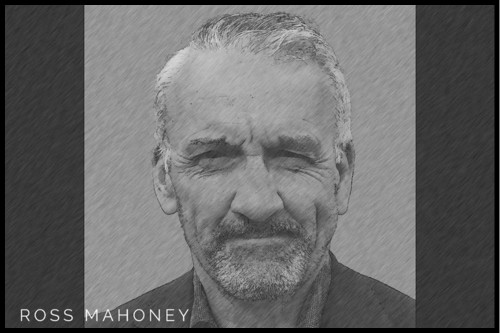
ROSS MAHONEY

(July 21, 1956 —)

A native of Saskatoon, he spent two seasons (1993-95) as assistant coach with the Regina Pats before joining the Buffalo Sabres’ amateur scouting staff. . . . Also worked with the Vancouver Canucks before beginning lengthy association with the Washington Capitals in July 1997 as director of amateur scouting. After 11 seasons was promoted to assistant GM. . . . Won Stanley Cup with the Capitals in 2018. . . . Was a teacher for 17 years before going scouting. . . . Terrific baseball player. Helped the Melville Elks win the 1973 Canadian midget championship. The all-star right-fielder led tournament by hitting .636. . . . Inducted into the Saskatchewan Baseball Hall of Fame (1997) and Saskatchewan Sports Hall of Fame (1999). Also inducted into the Saskatchewan Hockey Hall of Fame (2024); was co-head coach of Saskatchewan team that won hockey gold at 1995 Canada Winter Games.

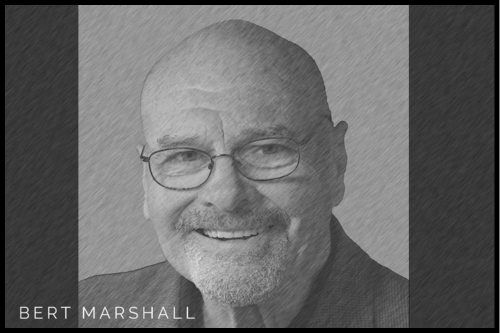
BERT MARSHALL

(Nov, 22, 1943 —)

Born in Kamloops, he started scouting with the Colorado Rockies in 1981. . . . Spent two seasons (1979-81) coaching the New York Islanders’ CHL team, the Indianapolis Checkers, then ran scouting for Colorado in its last season (1981-82) and the New Jersey Devils in their first (1982-83). . . . Scouted for the Islanders (1983-96) and was director of amateur scouting for the last two seasons. . . . After a season with the Hartford Whalers, he began 22-year run as amateur scout with the Carolina Hurricanes. . . . Won Stanley Cup with the Hurricanes (2006). . . . A defenceman in the Original Six era, he split 868 regular-season games over 17 seasons among the Detroit Red Wings, Oakland/California Golden Seals, New York Rangers and Islanders. . . . Won Memorial Cup with the Edmonton Oil Kings (1963). . . . Inducted into the B.C. Hockey Hall of Fame (2003).

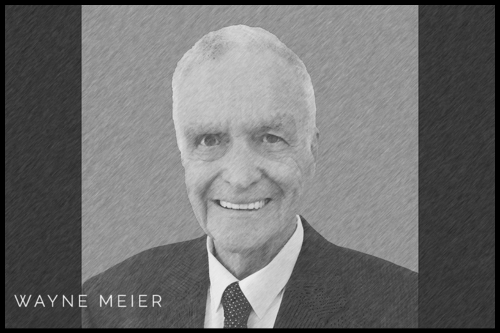
WAYNE MEIER

(Feb. 10, 1944 —)

From Edmonton, he started his scouting career with the Portland Winter Hawks in 1976 after the WHL franchise had relocated from Edmonton. He went on to spend a total of 10 seasons with Portland (1976-82, 1985-89) and was the director of player personnel for seven of those seasons. . . . Spent three seasons (1982-85) in the middle of his Portland run scouting for the Detroit Red Wings. . . . Rejoined Detroit in 1989 and spent seven seasons there before moving on to the Florida Panthers (1996-2001) and the Anaheim Ducks (2002-06). . . . Began a 12-season run with the Pittsburgh Penguins in 2006. . . . Retired in 2018 with three Stanley Cup rings, all with Pittsburgh (2009, 2016, 2017).

AL MURRAY

(March 7, 1957 —)

Born in Winnipeg, he began his scouting career with the Los Angeles Kings after serving as head coach of the U of Regina men’s hockey team during its first three seasons (1985-88) in Canada West. . . . Was the Kings’ western scouting co-ordinator for six seasons, then director of amateur scouting for 13 seasons. . . . Took over as Hockey Canada’s head scout in 2007 and stayed for three seasons. Won two World Junior titles with U20 team and one gold with U18s. . . . Joined the Tampa Bay Lightning as director of amateur scouting in 2010 and filled that role through 2018-19 after which assistant GM was added to his responsibilities. The Lightning named him senior advisor after 2022-23 season. . . . Won two Stanley Cups with the Lightning (2020, 2021).

WCPHSF’s journey has been short but productive

It’s true! The Western Canada Professional Hockey Scouts Foundation really has come a long way in a short time. You likely won’t be surprised to find out that beer and wings were involved when the idea first was broached a few years ago. . . . Then, when things really got serious, well, it didn’t take long to get to where we are now. . . . Read more about how the WCPHSF got here from there right here.

Get your tickets now! Here are five more Wall of Honour inductees . . .

It’s only two months, plus a few days, until the inaugural induction dinner for the non-profit Western Canada Professional Hockey Scouts Foundation’s Wall of Honour. . . . It’ll all happen at the Centennial Arena in Okotoks, Alta., on Tuesday, July 30. . . . Buy a ticket and come an spend an evening with the scouting community. There’ll be good food, lots of laughs, a couple of Hot Stove sessions with prominent hockey people and the induction of 45 past and present-day scouts. . . . Tickets are available at the Foundation’s website (hockeyscoutsfoundation.com). . . . In the meantime, here are five more soon-to-be Wall of Honourees. . . . For more bios, visit the Foundation website and click on Wall of Honour.

BRUCE HARALSON

(May 2, 1948 —)

Born in Grande Prairie, Alta., and raised in Dawson Creek, B.C., he spent 36 years as an NHL scout. . . . Got his start in scouting with the WHL’s Great Falls Americans/Spokane Flyers. Hired by the Edmonton Oilers to be chief scout for Kamloops Jr. Oilers. . . . Joined the Pittsburgh Penguins, spending four seasons (1984-88) as an amateur scout and one as director of scouting. . . . Then it was on to the Hartford Whalers for seven seasons, the last one as director of amateur scouting. . . . Best known for his time with the Detroit Red Wings (1996-2020), starting out as an amateur scout and finishing with 12 seasons as a pro scout. . . . Retired in 2020. . . . Was part of four Stanley Cup championships with Detroit (1997, 1998, 2002, 2008).

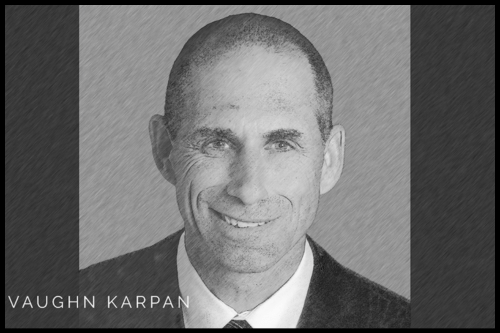
VAUGHN KARPAN

(June 20, 1961 —)

Born in Flin Flon and raised in The Pas, Karpan played a key role in the Vegas Golden Knights’ 2023 Stanley Cup championship as assistant GM, player personnel. . . . Began scouting career with the Winnipeg Jets in 1992, working for five seasons as an amateur scout. . . . Made the move to Phoenix and spent nine seasons with the Coyotes, the last four as director of amateur scouting. . . . Then was with the Montreal Canadiens for 11 seasons, as amateur scout, then pro scout, then director of professional scouting. . . . Joined the Golden Knights as director of player personnel in 2016. . . . Twice represented Canada in the Olympic Winter Games (1984, 1988) as a player. Played 228 games with Canada’s national team over four seasons. . . . Inducted into the Manitoba Hockey Hall of Fame (player) in 2013.

BILL LESUK

(Nov. 1, 1946 —)

From Moose Jaw, he played in the NHL with the Boston Bruins, Philadelphia Flyers, Los Angeles Kings and Washington Capitals before signing with the WHA’s Winnipeg Jets. Won three WHA championships (1976-78-79) in four seasons there. . . . Won a Stanley Cup with Boston in 1970. . . . After the WHA folded, he spent one more season with the Jets before joining team’s scouting staff. . . . After nine seasons was named director of scouting. Made move to Phoenix with the Jets and was the Coyotes’ director of scouting for four seasons. . . . Followed that with three seasons as the Chicago Blackhawks’ director of amateur scouting and one (2005-06) as an amateur scout with the Bruins. . . . In junior B and A, he played six seasons under coach Jack Shupe in Weyburn. . . . Inducted into Manitoba Hockey Hall of Fame (player) in 2009.

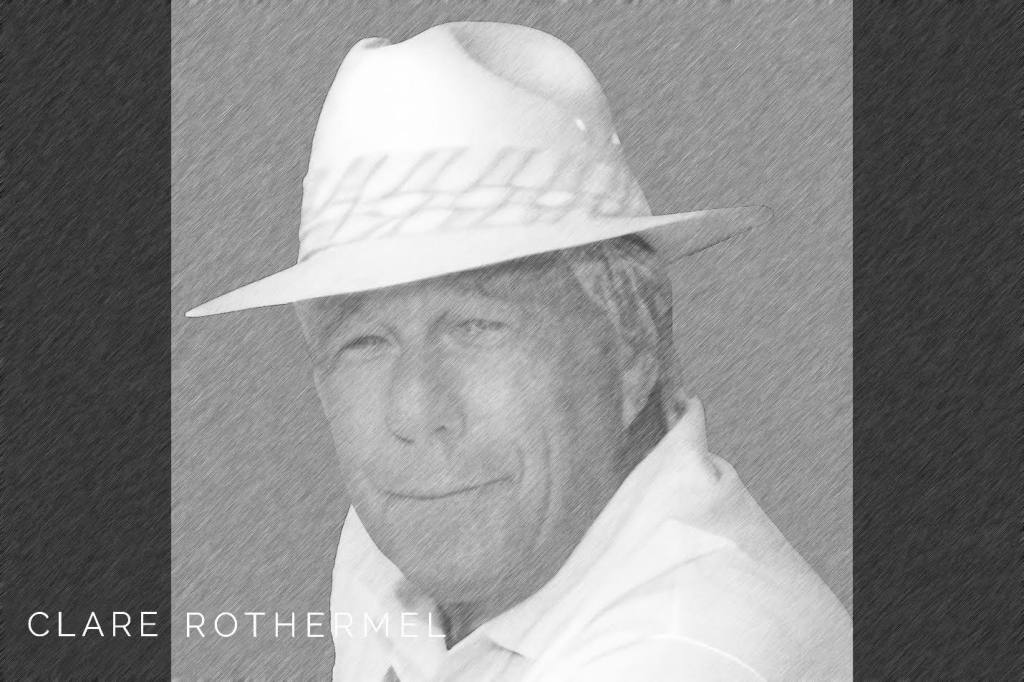
CLARE ROTHERMEL

(April 7, 1923 — July 1, 2008)

A Regina native, he was hired as a scout by the Pittsburgh Penguins when they entered the NHL in 1967. . . . Also worked with the Washington Capitals. . . . Retired from scouting in July 1989. . . . Was in the Canadian Navy at 17 and stationed in the South Pacific during the Second World War. . . . Returned home to work for SaskPower and then start his own business, CR Electric. . . . Was manager and coach of the senior Regina Caps for two years in the late 1950s. . . . Was president of the Western Canada Senior Hockey League and the Saskatchewan Senior Hockey League. Gave up those positions in October 1968 when named first commissioner of the Saskatchewan Amateur Junior Hockey League. . . . That love of hockey led him to scouting. . . . Became an excellent wood carver in his latter years.

DELBERT (DEL) WILSON

(Dec. 29, 1926 — Nov. 5, 2015)

Born in Craik, Sask., he scouted in Western Canada for the Montreal Canadiens for 47 years. . . . The Canadiens won 18 Stanley Cups while he was with them. He ended up with three Stanley Cup rings, which weren’t presented to scouts until 1986. . . . Played goal with the Regina Pats in mid-1940s. . . . One of the founders of what now is the WHL. . . . Was general manager of the junior A Pats (1956-68). . . . Later was part of a group that purchased the Pats, then was GM for six seasons, including Memorial Cup title in 1974. . . . The Del Wilson Trophy is awarded annually to the WHL’s top goaltender. . . . Won the Saskatchewan men’s amateur golf championship in 1957. . . . Inducted into the Regina Sports Hall of Fame (2006), Saskatchewan Sports Hall of Fame (2010) and Saskatchewan Hockey Hall of Fame (2013).

Meet five more inaugural inductees to WCPHSF’s Wall of Fame

The non-profit Western Canada Professional Hockey Scouts Foundation will hold its inaugural Wall of Honour induction dinner in Okotoks on July 30. . . . Tickets to the general public are available at the Foundation’s website (hockeyscoutsfoundation.com). . . . Meanwhile, here’s a chance for you to meet five of the scouts who are part of the Class of 2024. . . . For more bios, visit the Foundation website and click on Wall of Honour.

BARTON (BART) BRADLEY

(July 29, 1930 — Sept. 16, 2006)

From Fort William, Ont., he joined the Boston Bruins’ scouting staff in 1968 and spent 30 years with them. He was head scout and director of player evaluation from the late-1970s into the early ’90s. . . . In a 10-season career as a pro player, nine of them in Boston’s organization, he got into one NHL game with the Bruins, that in 1949-50. . . . Shared in the Bruins’ 1970 and 1972 Stanley Cup triumphs. . . . During his playing career, he won a Memorial Cup with the Port Arthur West End Bruins (1948), an Allan Cup with the Belleville McFarlands (1958) and a World championship with Belleville (1959). . . . His son, Scott, has been with the Bruins since 1993 when he started as a scout.

SCOTT BRADLEY

(Aug. 29, 1963 —)

From Delta, B.C., he joined the Boston Bruins on a full-time basis in 1993 as a western scout. . . . Was promoted to head scout in 1996, a position he filled for 11 seasons. . . . Named director of player personnel in 2008 and assistant general manager in 2014. . . . Promoted to senior adviser to the general manager in 2019, a position he presently holds. . . . Career highlight was winning Stanley Cup (2011) with the Bruins. . . . Began his scouting career by spending four seasons (1990-94) with the WHL’s Seattle Thunderbirds. . . . Was a goaltender during a playing career that topped out at junior A. . . . His late father, Bart, spent more than 30 seasons with the Bruins as a player and scout.

TONY FELTRIN

(Dec. 6, 1961 —)

TONY FELTRIN

Raised in Nanaimo, B.C., he began his scouting career with the New York Rangers in 1986 and was part of a Stanley Cup winner there in 1994. . . . After 10 seasons as an amateur scout with the Rangers, he joined the New York Islanders and spent 11 seasons as their head amateur scout. . . . Moved on to the St. Louis Blues in 2007 and has worked for them as a pro scout, amateur scout, and their director of amateur scouting. He was part of their 2019 Stanley Cup-championship team. . . . As a player, he won a WHL championship with the 1980-81 Victoria Cougars. . . . Split 48 NHL regular-season games between the Pittsburgh Penguins and the Rangers.

BRUCE FRANKLIN

(Sept. 16, 1963 —)

From Winnipeg, he has been a scout since 1982 when he got his start in the WHL. . . . Spent 10 seasons as a WHL scout, four with the Prince Albert Raiders and six with the Swift Current Broncos, five as director of player personnel. . . . Started in the NHL as a part-time scout with the Montreal Canadiens in 1986. . . . Was with the Chicago Blackhawks for 24 seasons, starting as an amateur scout in 1992. Was Chicago’s chief scout for his last six seasons there. . . . Joined the the Anaheim Ducks as the director of player evaluation in 2016. . . . Was in on three Stanley Cup titles with Chicago (2010, 2013, 2015), after winning Memorial Cup championships with Prince Albert (1985) and Swift Current (1989).

PETER SULLIVAN

(July 25, 1951 —)

Peter Sullivan retired prior to the start of this NHL season. (Photo: Mike Morreale, nhl.com)

From Toronto, Sullivan retired in 2023, ending scouting career that began in Switzerland. . . . Spent 27 years with NHL Central Scouting, having started in 1996. . . . Began scouting as part-timer for the NHL’s Winnipeg Jets in 1986 while coaching in Switzerland. . . . Joined the Jets as full-time amateur scout in 1988. . . . Nicknamed “Silky,” he was a terrific minor and junior player but career was slowed by thyroid cancer. Drafted by the Montreal Canadiens and played three seasons with their AHL affiliate, the Nova Scotia Voyageurs, who held a night for him. . . . Signed with the WHA’s Jets in 1975, winning three Avco Cups there. . . . Played four WHA seasons and two more with the Jets in the NHL. Concluded his playing career in Switzerland. . . . His father, Frank, won 1921 Grey Cup with the Toronto Argonauts and 1928 Olympic gold with Canada’s hockey team.

Mondays With Murray: Yogi Berra, the Legend

SUNDAY, OCTOBER 8, 1961, SPORTS

Copyright 1961/THE TIMES MIRROR COMPANY

JIM MURRAY

Yogi Berra, the Legend

CINCINNATI – If you turn on your television set this weekend to watch the World Series and suddenly come upon what appears to be a large, shaggy bear in baseball uniform trying to roller-skate up an icy hill, don’t switch channels.

  This will be Lawrence Peter Berra trying to match wits with the left-infield incline in Crosley Field, a ballpark designed either by a man with the sense of humor of an urchin who puts banana peels on sidewalks or one who just hates outfielders as a class.

  The outfield in this ballpark is so steep in places the players should have oxygen and a Sherpa guide to scale it. It has produced more pratfalls than Mack Sennett in his heyday, and the sight of Yogi Berra and this incline coming together in combat should be funnier than watching Jackie Gleason and Elsa Maxwell trying to cha-cha.

  Yogi Berra, it happens, is funny just standing still. In many respects, he is the most famous baseball player the game has had since Babe Ruth.

  He is ageless — and changeless. He came upon the scene so many years ago and looked so old even when he was young there are those who think he was Columbus’ cabin boy.

  The day he leaves baseball 2 million fans may leave it with him. He is as much a part of the legend of America as Paul Bunyan or John Henry. He is the patron saint of three generations of American kids with catchers’ mitts in their hands, and no churchman could seriously object. Yogi Berra is a man who has remained a boy — a rich man who remembered what it was like to be poor.

  The face is sad. It has been said it is ugly but it is not, lit in the center by large, sad and curiously gentle eyes. It is the color of gray paste — a city face. It is a comforting face, the kind one trusts. “Hey, Yogi,” yell people with a chuckle who have never seen him before. A lineman outside the ballpark laughs delightedly when he looks over the fence and sees the familiar face and figure.

  It is a silhouette baseball didn’t know whether to believe or not when they first saw it. This lumpy man, a perfect 50 in measurements — 50-inch chest, middle and two 25-inch calves — with the two protruding ears, the head that seems to grow, neckless, right out of the shoulders, couldn’t possibly be an athlete. Baseball didn’t know whether to turn him over to the minor leagues or Clyde Beatty.

  Yogi, of course, turned out to be one of the most superbly skilled athletes of his time. He came to symbolize the New York Yankees, the haughtiest team in the annals of sports.

  He outlasted derision by his own simple dignity and friendliness. The bench jockeys at first hopped about the dugout on all fours, scratched themselves busily like caged primates, called out “Hey, Berra, what tree did they pull you out of?” and offered him peeled bananas. It was that kind of ridicule that made a Ty Cobb behave forever afterward on the field with insensate rage and vengeance but Yogi ignored — and forgave. His own dignity (and his bat) at first silenced and then made ashamed his ridiculers.

  Yogi was unique. He is probably the only guy in history who wrote a book but never read one. The jokes were endless. But there was no cutting edge to them. Sometimes they even illustrated Yogi’s innate kindness to his fellow man. Like the fellow who rousted him out of bed in the early morning, “Did I wake you up, Yogi?” he chirped. “Oh no,” apologized Yogi. “I had to get up to answer the phone anyway.”

  Then there was the balloon salesman in Washington who had a fistful of dirigible-sized balloons. “Want one, Yogi? For the kids.” “Oh, no,” said Yogi. “I’d never be able to get them in the suitcase.”

  People smile when his name is mentioned. Housewives who are not sure what city Yankee Stadium is in feel a glow of affection for Yogi Berra. Their kids know a cartoon character named “Yogi Bear” who owes his existence to Yogi Berra’s, and they laugh with and love them both.

  Yogi was a catcher who was as chatty as a Bronx housewife behind the plate. He’s lonelier now in the outfield. So he chats with the fans.

  The New York Yankees came into Cincinnati on their special train at 9 o’clock in the morning on Friday. Yogi Berra was out at the ballpark at 11:30. He was practising catching fly balls on the left-field incline, a professional to the core even after so many World Series and so many records it takes calculation machines the size of election coverage computers to list them all.

  There was a curiously sad tableau taking place in the park as Yogi arrived. High in the back of the stands as Yogi Berra, a study in perseverance, chased thrown fly balls, a lonely, frightened man stood poised, naked, on the roof’s edge threatening to jump. He didn’t. He was coaxed down. But you wonder, watching Yogi Berra, how a man could give in to despair.

  Yogi Berra thinks he’s lucky to be in baseball. I think it’s the other way around.

——

Jim Murray Memorial Foundation | 25 Main St, Cooperstown, NY 13326

Meet five more Wall of Honour inductees . . . general public dinner tickets now available

The Western Canada Professional Hockey Scouts Foundation’s inaugural Wall of Honour induction dinner is set to go on July 30 at the Centennial Arena in Okotoks. . . . All told, 45 past and present-day scouts will be inducted into the Wall of Honour, which has its permanent home in the arena foyer. . . . Here’s a look at five of those inductees. For more, check out the Foundation’s website at hockeyscoutsfoundation.com and click on Wall of Honour. . . . Tickets to the dinner for the general public also are available off the website.

CRAIG BUTTON

(Jan. 3, 1963 —)

CRAIG BUTTON

A native of Rochester, N.Y., he was born into a hockey family. His father, Jack, was an executive with the AHL’s Rochester Americans, and his mother, Bridget, was secretary to Punch Imlach, the long-time GM/head coach of the Toronto Maple Leafs. . . . Jack was hired by the NHL in 1975 to run Central Scouting. . . . Craig’s brother, Tod, is in scouting, too. . . . Craig got his scouting start with the Minnesota North Stars (1988). He was the franchise’s director of scouting (1992-98) and director of player personnel (1998-2000) after it moved to Dallas. . . . Won Stanley Cup with Dallas (1999). . . . Was vice-president and GM of the Calgary Flames (2000-03). . . . Went on to scout for Toronto (2004-07) before joining TSN as director of scouting. . . . Has worked in media since 2008 with TSN, NHL Network, NBC and CBC.

JOHN CHAPMAN

(Aug. 13, 1945 —)

A native of Stettler, Atla., he was a prominent junior coach before going scouting. . . . Began with the New York Rangers, then was with the Tampa Bay Lightning and the Florida Panthers for two seasons. . . . Spent remainder of his career (1995-2023) with the Philadelphia Flyers, working at various times as amateur scout, pro scout, director of player development and director of player personnel. . . . Retired prior to 2023-24. . . . Coached three of the six hockey-playing Sutter brothers. Spent six seasons (1980-86) as head coach of the WHL’s Lethbridge Broncos. . . . In April 2009, he rescued a mother and her two-month-old daughter after stroller rolled into a retention pond in Calgary. . . . Has written book — Janny: A Woman of Fortitude and Grace — about battle with breast cancer staged by his late wife of 35 years.

MARSHALL JOHNSTON

(June 6, 1941 —)

MARSHALL JOHNSTON

A native of Birch Hills, Sask., he was an All-American defenceman at the U of Denver before representing Canada at 1964 and 1968 Olympic Winter Games and 1966 and 1967 World Championships. . . . Played in NHL with the Minnesota North Stars and California Golden Seals. . . . Was Golden Seals’ head coach (1973-75) before returning to Denver for six seasons, the last four (1977-81) as head coach. . . . Career as an NHL coach and executive featured stints with the Colorado Rockies/New Jersey Devils, Ottawa Senators and Chicago Blackhawks. . . . Concluded his scouting career after 11 seasons as Carolina Hurricanes’ director of professional scouting. . . . Won Stanley Cup with the Hurricanes in 2006. . . . Inducted into International Ice Hockey Federation Hall of Fame (1998) and Prince Albert Sports Hall of Fame (2002).

IAN McKENZIE

(May 15, 1938 — May 31, 2022)

IAN McKENZIE

Born in Lyalta, Alta., he served 15 years in the RCMP before going into scouting, starting with St. Louis Blues. . . . He made his name with the Flames, first in Atlanta and and then Calgary. . . . Began a 25-year association with the Flames when he joined Atlanta. After one season there, he made the move to Calgary with the franchise in 1980. . . . Concluded his scouting career with the Phoenix Coyotes. . . . In 2000, he estimated that he would spend 200,000 miles on the road in one season. . . . Won the 1989 Stanley Cup with the Flames. . . . Had a lengthy involvement with Alf Cadman and the junior Red Deer Rustlers when they got into the AJHL. That turned out to be McKenzie’s connection to Cliff Fletcher and the Flames.

BOB OWEN

(Sept. 29, 1949 —)

A native of Winnipeg, he began his scouting career in 1980 as a part-timer with NHL Central Scouting. . . . In April 1984, he moved to the Los Angeles Kings and was there for 10 years. . . . For the next three-plus years, he operated RHO Hockey, an independent scouting service. . . . In August 1998, he joined the Atlanta Thrashers and stayed for 13 years. . . . He completed his scouting career with the Winnipeg Jets, starting in October 2011 and lasting until he retired nine years later. . . . As a player, he spent three seasons (1966-69) with the Regina Pats. . . . He later coached the midget AAA Regina Pat Canadians for five seasons (1973-78) and the SJHL’s Regina Pat Blues for two (1978-80).